
Love and Loss

Judas is the indispensable foil of Maundy Thursday: it’s him who forces the turn in the narrative from love to loss through his almost inexplicable betrayal. There has to be more to it than mere greed, which is simple enough to understand, but which doesn’t pop up out of nowhere. He doesn’t seem to really have wanted thirty pieces of silver. Something caused resentment in Judas’ heart; something allowed for wickedness to enter in, even if it had not been his intention all along. There is a way in which St. Matthew can be seen as trying to rehabilitate Judas by asserting that he took his own life. Matthew is imposing the possibility of contrition and remorse on Judas, whether he deserves it or not. The fact is that some people choose cruelty; some people allow for the possibility of cruelty; some people let themselves be used by cruel forces, not always knowingly - the effect is the same. Cruelty squelches love and ushers in loss, to put it mildly.
Love is susceptible to loss… and to betrayal. Even without cruelty, love can vaporize and dissipate into the air, and you are left wondering what happened to it. This isn’t the place to catalogue all the ways that love yields to loss, but it’s important that we accept both love’s fortitude and its fragility. And yes, it’s deliberately ironic that the hinge between love and loss on Maundy Thursday - the act of betrayal - is a kiss: love’s registered trademark.
So Maundy Thursday might be especially poignant for anyone who knows what it’s like to be on the receiving end of betrayal or cruelty; or at least loss; or anyone who has seen love vaporize and dissipate into thin air (like energy, love can not be created or destroyed, I think).
But the story of love yielding to loss that begins tonight does not end here; it leads back to love’s triumph. So here’s the message that begins to emerge as Jesus shows his love to his disciples and tries to shape their love: love is susceptible to loss; love anyway.
Love anyway.
I have seen so much love turned to loss in the past couple of years; and yet I know that my heart is still full of love, and there is only one way to account for that: that love made me for love, for love’s sake. And if love made me for love, for love’s sake, then love made you for love, for love’s sake too.
Cruelty there is in the world, and so much is lost.
Love anyway.
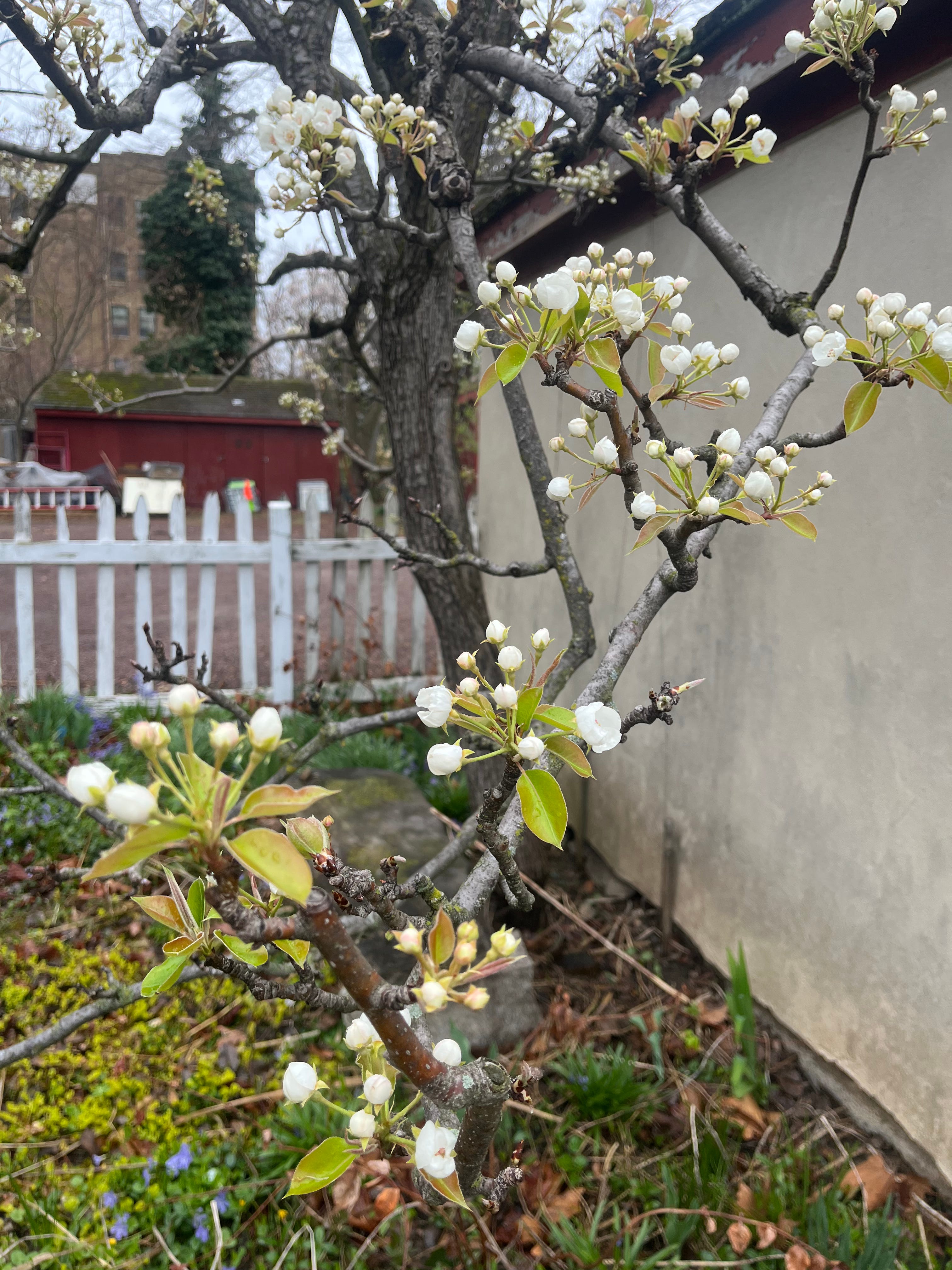
Yup <3
Brilliant.
I have often wondered if love's fragility is actual the essential component that makes it so valued. Why do we hold love so tightly if not because of its essential temporality, its susceptibility to cruelty?